
What I See in Practice
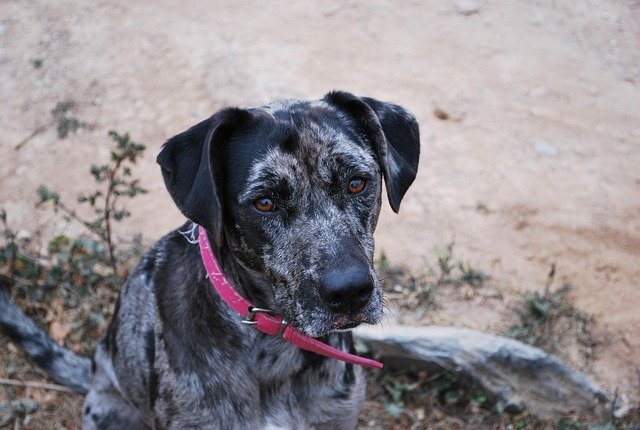
I’ve been a licensed veterinarian practicing in Texas for well over a decade, and Catahoula Leopard Dogs have crossed my exam room floor more times than I can count. They’re striking dogs—intelligent, driven, and tougher than they look—but they also come with a set of health concerns that I’ve learned to respect through hands-on experience. Some of these issues are genetic. Others stem from the fact that people underestimate just how demanding this breed can be.
What follows isn’t theory from a textbook. It’s based on dogs I’ve treated, owners I’ve counseled, and mistakes I’ve watched play out in real life.
Hearing and Vision Problems I Catch Early—or Too Late
One of the first things I look for in Catahoulas is congenital deafness, especially in dogs with a lot of white on their heads or around their ears. I still remember a young male brought in last spring because he “ignored commands.” The owners were frustrated and worried that he was aggressive. During the exam, it became clear he wasn’t being stubborn—he couldn’t hear out of one ear. They’d had him since he was eight weeks old and never suspected it.
Partial deafness is easy to miss. These dogs compensate well, and many owners assume they are selective listeners. By the time it’s identified, training challenges have already piled up. I strongly advise early hearing testing, particularly for breeders and new owners, because management is far easier when you understand what the dog can and can’t perceive.
Vision issues also show up, though less commonly. I’ve diagnosed cases of progressive retinal atrophy and other inherited eye conditions. They tend to surface gradually, and owners often tell me the dog “just seems clumsy at night.” That’s usually my cue to dig deeper.
Hip Dysplasia Isn’t Rare—Despite the Breed’s Tough Reputation
Catahoulas are athletic, so people assume their joints are bulletproof. They aren’t. Hip dysplasia is something I see regularly, especially in dogs bred without proper screening.
One case that sticks with me involved a middle-aged working Catahoula used for hog hunting. The owner thought the dog was slowing down. By the time he came in, the dog had significant arthritis secondary to hip dysplasia. Surgery wasn’t a great option anymore, and the owner ended up managing pain for the rest of the dog’s life. It cost him several thousand dollars over the years, not just financially but emotionally.
What I tell owners is simple: these dogs need controlled growth as puppies and steady conditioning as adults. Letting a young Catahoula jump out of truck beds daily or overworking them before their joints mature is a mistake I see far too often.
Skin Problems Linked to Allergies and Environment
Texas heat doesn’t help, but Catahoulas are prone to skin issues even in milder climates. I treat many chronic ear infections, hot spots, and persistent itching in this breed. Food allergies can play a role, but environmental triggers are more common in my experience.
I had a female patient whose owners tried every over-the-counter shampoo they could find. Nothing helped. Once we adjusted her diet, started targeted allergy management, and changed how often she was bathed, her skin improved dramatically. The owners were surprised to learn that frequent bathing was actually making things worse.
That is where I often advise against DIY treatment. Skin problems may seem simple, but repeated flare-ups usually indicate something deeper is at work.
Thyroid Disease That Sneaks Up Slowly
Hypothyroidism isn’t exclusive to Catahoulas, but I’ve diagnosed enough cases to consider it a pattern. These dogs don’t always show textbook symptoms. Instead of noticeable weight gain, I often see subtle changes—dull coat, recurring skin infections, low energy that owners chalk up to aging.
One owner brought her dog in because he “just wasn’t himself anymore.” Bloodwork confirmed hypothyroidism. Within a few weeks of treatment, the dog’s personality bounced back. Cases like that are why I push for diagnostics instead of guessing.
Behavioral Issues Tied to Health and Mismanagement
Catahoulas are intense. When something’s off physically, it often manifests as behavioral problems. Pain from joints, chronic ear infections, or undiagnosed sensory deficits can turn a usually steady dog into a reactive or withdrawn dog.
I’ve had more than one consultation where the real issue wasn’t training—it was untreated discomfort. Once the medical problem was addressed, the behavior improved without the need for harsh correction methods. I’m outspoken about this: punishing a Catahoula for behavior caused by pain usually makes things worse.
What I Wish More Owners Understood
The biggest mistake I see is assuming toughness equals low maintenance. Catahoulas tolerate discomfort well, which means problems can simmer quietly. By the time symptoms are apparent, the condition is often advanced.
I encourage owners to work with breeders who health-test, invest in early screenings, and pay attention to subtle changes. These dogs reward attentive care with loyalty and resilience, but they don’t thrive on neglect or guesswork.
After years of treating this breed, my professional opinion is clear: a healthy Catahoula isn’t accidental. It’s the result of informed breeding, realistic expectations, and owners who are willing to address problems early rather than push through them.