
As a licensed veterinarian practicing in Texas for over a decade, I’ve seen a surprising number of pet owners casually toss sunflower seeds to their dogs, thinking they’re harmless treats. In my experience, sunflower seeds aren’t inherently toxic, but the way they’re prepared can make all the difference between a safe snack and a digestive nightmare.
Real-Life Case: Buddy the Golden Retriever
I remember one case last spring with a golden retriever named Buddy. His owner had been letting him chew on raw sunflower seeds straight from the shell. Buddy seemed fine initially, but after a week, he started having intermittent vomiting and mild diarrhea.
Upon examination, it was clear that the shells were causing minor gastrointestinal irritation. Dogs don’t chew seeds as thoroughly as humans, so sharp edges can scratch the digestive tract, sometimes leading to blockages if eaten in larger amounts.
Shelled vs. Unshelled Seeds: What’s Safer?
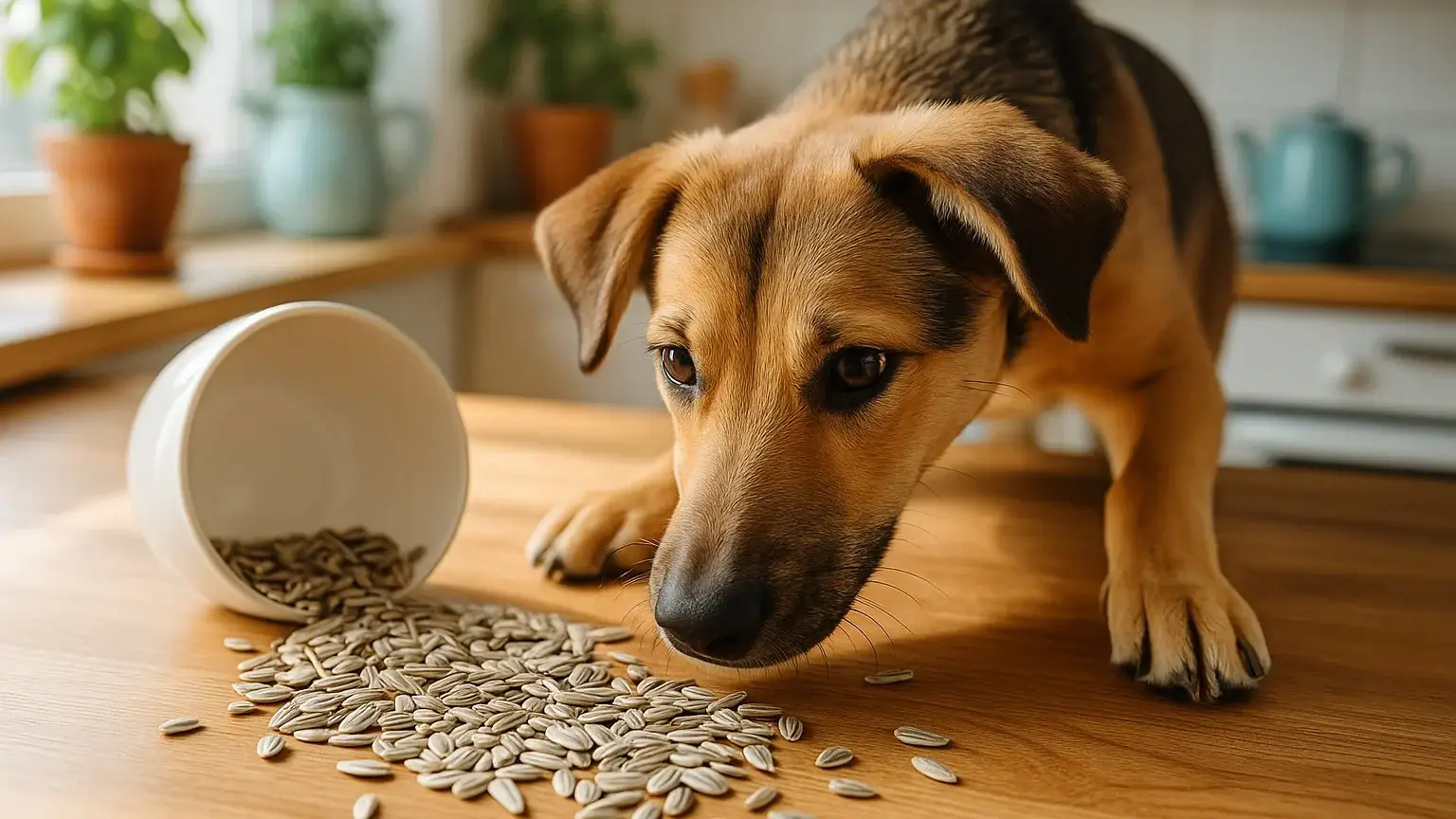
Raw, shelled sunflower seeds—those without salt or additives—are generally safer than seeds still in the shell. I often recommend removing the shells entirely before offering any seeds to dogs. I’ve found that when given unshelled seeds, some dogs accidentally swallow them whole, which increases the risk of choking or intestinal obstruction.
A Labrador I treated last summer had eaten a handful of seeds with shells and developed a mild intestinal blockage, which luckily resolved with supportive care, but it could have been serious.
Nutritional Benefits and Moderation
Nutritionally, sunflower seeds can provide benefits. They’re rich in vitamin E and healthy fats, which can contribute to a shinier coat and healthy skin. However, moderation is key. I’ve had clients who treated sunflower seeds like regular snacks, giving their dogs a quarter cup at a time.
Over time, this led to mild weight gain and digestive upset. A few seeds sprinkled occasionally over meals are plenty for most dogs.
Seasoning Risks: Why Plain is Best
Another aspect to consider is seasoning. I’ve seen owners give roasted seeds with salt or flavorings, thinking the extra taste is safe. In reality, salt and spices can be harmful to dogs, especially smaller breeds.
One Chihuahua I treated had been eating flavored sunflower seeds left unattended on the counter, resulting in sodium-induced vomiting and lethargy. It was an easy fix, but it reinforced my advice: plain, raw seeds are the only option if you want to share them at all.
Eating Behavior and Safety
Finally, I’ve also noticed behavioral differences. Dogs with a history of gulping food are more likely to swallow seeds whole. In these cases, even a few raw seeds can be risky. For those dogs, I sometimes recommend lightly grinding the seeds or mixing them into wet food, which reduces choking hazards and ensures they receive the nutrients.
Final Thoughts
From my perspective, raw sunflower seeds are not off-limits, but they come with caveats. I’ve learned through years of practice that preparation, portion size, and your dog’s eating habits matter more than the seeds themselves.
A cautious approach—shelled, unsalted, and given in small amounts—is the safest way to include sunflower seeds in a dog’s diet, and always monitor for any gastrointestinal changes after introducing a new treat.