
Peonies are beautiful flowers popular in homes and gardens. Their large blooms and soft colors make them a favorite decoration. However, pet owners worry if these plants are safe for cats. Knowing the risks helps you keep your pet safe.
What Are Peonies and Why Are They Popular?
Peonies are flowering plants known for their full, round blossoms and pleasant fragrance. They come in shades of pink, white, and red, and often bloom in late spring and early summer. A single peony plant can produce flowers that reach up to 15 centimeters in diameter. Their beauty makes them a favorite in gardens and floral arrangements.
Peonies can last over 50 years with proper care. This makes them a common feature in many homes. People enjoy their elegance and easy growth.
Despite their appeal, peonies contain compounds that can affect animals. This is where cat owners’ concern begins. Knowing what is inside the plant helps you make informed decisions.
Are Peonies Toxic to Cats?
Peonies are mildly toxic to cats because of paeonol. This compound can upset a cat’s stomach if eaten. Though rarely severe, it can still cause discomfort and health issues, especially in sensitive cats.
Many pet owners look for reliable information, such as “Are Peonies Okay for cats,” when deciding whether to keep these plants in their homes. The end result depends on how much the cat consumes. A small nibble may only cause mild symptoms, while larger amounts can lead to more noticeable reactions. Each cat reacts differently. Some may show no signs at all.
Be cautious. Even mild toxins can bother your pet. Keeping plants out of reach is safest.
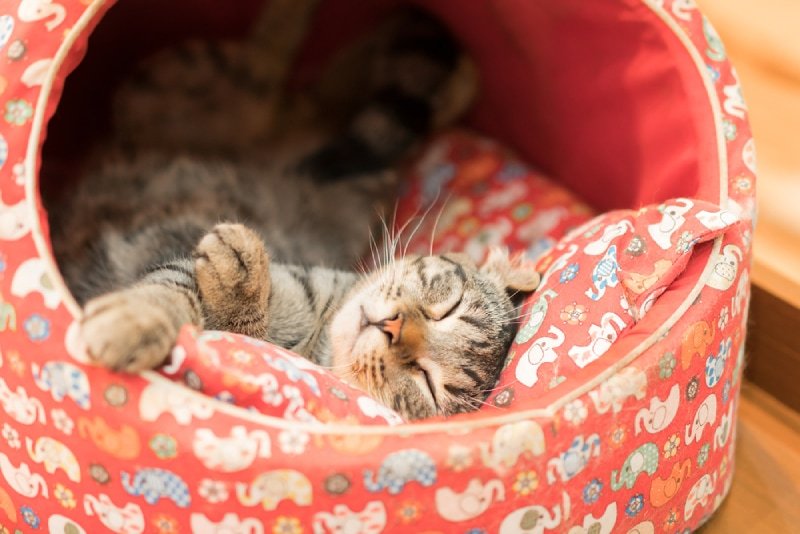
Symptoms of Peony Poisoning in Cats
If a cat eats peonies, symptoms may appear within hours. Vomiting and diarrhea are most common as the body tries to expel toxins. Reaction intensity varies.
Some cats may become lethargic, less active, or hide. Appetite loss may also happen. Watch for these changes.
Watch for these signs:- Vomiting after eating plants.
– LDiarrhea.
– Low energy.
– Loss of appetite
Take even mild symptoms seriously. Fast action prevents worsening. Watch your cat closely.
Why Cats May Try to Eat Peonies
Cats are curious and often explore by sniffing or chewing plants, especially indoor cats. Plants can interest them.
Soft petals and leaves may feel nice to chew. Moving flowers can trigger playfulness.
Bored cats may chew on plants due to a lack of toys or interaction. Decorative flowers can be risky if harmful.
Hunger can lead cats to chew on plants, seeking fiber or easing stomach discomfort. This can be risky if the plant is toxic.
How to Keep Your Cat Safe Around Peonies
Prevention is the best approach to plant safety. Keep peonies out of reach by placing them in areas your cat cannot access. High shelves or outdoor gardens can reduce the risk. Simple placement choices can make a big difference.
Supervise curious cats. Redirect with toys or treats to reduce chewing.
Consider safer, non-toxic plants to replace peonies. These let you enjoy greenery safely.
Clean regularly. Remove fallen petals and leaves quickly. A tidy space reduces risk.
What to Do If Your Cat Eats Peonies
If your cat eats peony, act fast. Remove any remaining plant parts to prevent further ingestion.
Watch for symptoms for 24 hours. Mild cases may resolve, but worsening signs need a vet. Seek advice if vomiting or diarrhea continues.
Provide fresh water. Hydration helps with mild digestive upset. Avoid home remedies without guidance; incorrect treatment can worsen things.
Stay calm. Your response helps your cat feel safe. Focus on getting help if needed.
Peonies add beauty but pose a mild risk to cats if eaten. Know the effects and take precautions to protect your pet. Careful placement, supervision, and quick action keep cats safe.