
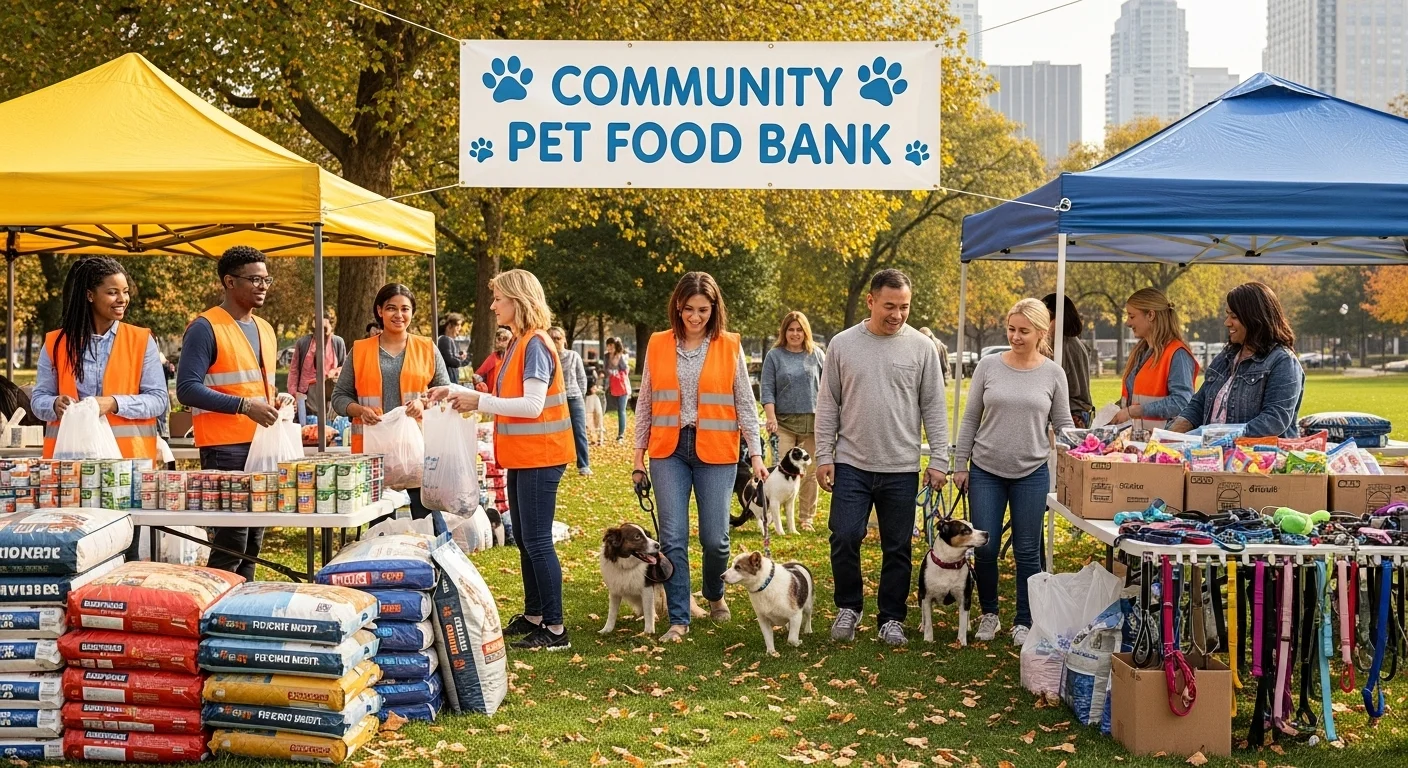
For hundreds of thousands of people, pets are family; dogs, cats, and other companion animals provide emotional support, companionship, and stability, particularly during hard times. Unfortunately, economic hardship, job loss, scientific emergencies, and rising housing costs could make it tough for pet owners to afford necessities like food. When this happens, pets often suffer first. In the worst cases, households feel pressured to surrender their beloved animals to shelters.
A puppy meals financial institution is a compassionate, network-driven approach to this growing problem. Much like a human pantry, a pet food bank provides free or low-cost pet food and resources to households in need, helping them keep their pets healthy and at home. Starting a puppy meal can also feel overwhelming; however, with careful planning, community support, and a clear mission, it’s genuinely achievable.
This complete manual explains how to start a puppy food bank, step by step. Whether you’re a person animal lover, a nonprofit organization, a rescue group, or a network leader, this newsletter will walk you through the whole process, from planning and investment to distribution and long-term sustainability.
What Is a Pet Food Bank?
A puppy meals bank is a charitable program that collects and distributes puppy meals and essential pet supplies to people and households experiencing economic hardship. These packages intention to:
- Prevent puppy starvation and malnutrition
- Reduce puppy abandonment and overcrowding
- Support low-income, elderly, and disabled puppy proprietors
- Strengthen the human, animal bond
Pet food banks may also operate independently or as part of a current nonprofit, animal haven, or network organization. Some distribute meals weekly or monthly, while others offer emergency help during times of crisis.
Why Starting a Pet Food Bank Matters
The call for help with puppy meals is growing worldwide. Rising inflation, veterinary costs, housing instability, and technical glitches have all contributed to economic strain for pet owners. When human beings can’t afford enough puppy meals, they will skip their own meals, dilute meals to make them last longer, or feed their pets human food.
By beginning a puppy meals financial institution, you:
- Keep pets out of shelters
- Improve animal fitness and welfare
- Reduce euthanasia rates
- Support inclined individuals in your network
- Build goodwill and volunteer engagement
- Pet food banks don’t just help animals; they help human beings, too.
Step 1: Define Your Mission and Goals
A successful pet food bank begins with a clean slate. Your undertaking statement ought to explain why your company exists and who it serves.
Questions to Ask Yourself
- Who will your puppy meals financial institution serve (low-income households, seniors, homeless people, disaster victims)?
- What kinds of animals will you help (dogs, cats, small animals)?
- Will you offer meals only, or will you also provide resources like litter, leashes, and treats?
- Will your offerings be ongoing or seasonal?
Example Mission Statement
“Our undertaking is to preserve pets with the households who love them with the aid of offering free pet food and resources to people experiencing economic hardship.”
Clear dreams will guide your decisions, investment efforts, and partnerships as your puppy meals financial institution grows.
Step 2: Research Your Community’s Needs
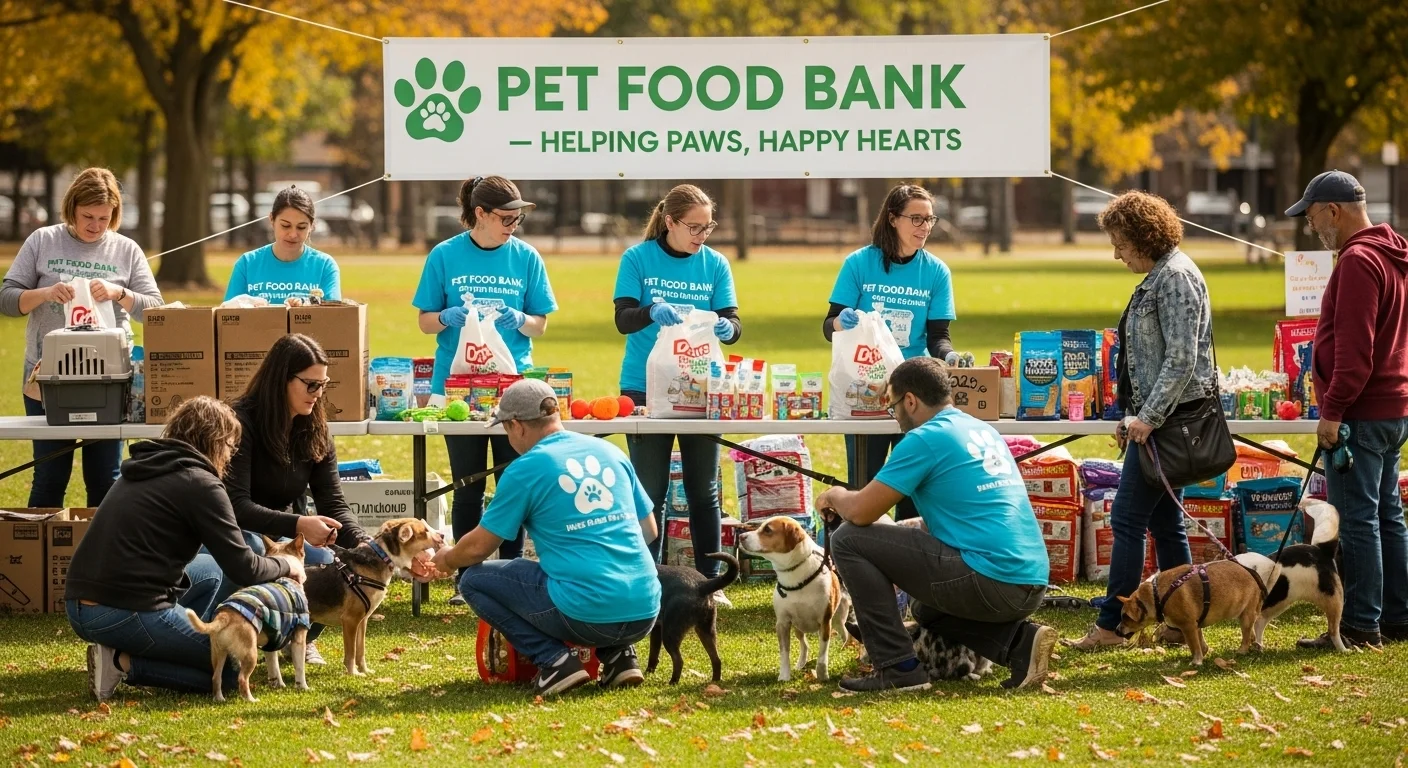
Before launching, it’s essential to understand your community’s unique wishes.
How to Conduct Community Research
- Talk to neighborhood animal shelters and rescues
- Contact social care companies and meal pantries
- Survey puppy proprietors in your area
- Review refuge consumption and give up data
Find out how many people may need assistance, which kinds of pets are most common, and how often help is needed. This study allows you to lay out a puppy meals bank that clearly fills a gap rather than duplicating existing offerings.
Step 3: Choose a Legal Structure
To function responsibly and receive donations, you’ll want to determine the prison structure.
Common Options
- Operate below a current nonprofit (animal refuge, rescue, church)
- Start your very own nonprofit company
- Run a small community-based or casual program
- If you intend to accept economic donations, pursue grants, or develop long-term, then forming a nonprofit company is the best option.
Registering a Nonprofit
- Choose a call to your company
- Register together with your kingdom or country
- Apply for tax-exempt status if applicable
- Open an enterprise financial institution account
- Consult a prison or nonprofit marketing consultant to ensure compliance with neighborhood laws.
Step 4: Create a Business and Operating Plan
Even though a puppy meals financial institution is charitable, it nevertheless wishes a strong plan.
Your Operating Plan Should Include:
- Services offered
- Target population
- Distribution schedule
- Volunteer roles
- Budget and investment sources
- Storage and transportation logistics
A written plan helps you live prepared and demonstrates professionalism while seeking donations or partnerships.
Step 5: Secure Funding and Donations
Funding is vital to establish and sustain a puppy food bank.
Ways to Fund a Pet Food Bank
- Individual donations
- Fundraising events
- Online crowdfunding
- Grants from animal welfare organizations
- Corporate sponsorships
- Monthly donor programs
Pet Food Donations
- Contact puppy meal manufacturers
- Partner with neighborhood puppy stores
- Host puppy meals drive
- Ask veterinary clinics for surplus or pattern meals
- Always thank donors for their song donations; gratitude builds long-term support.
Step 6: Find a Location and Storage Space
Pet meals require clean, dry, pest-free storage.
Location Options
- Community centers
- Churches or schools
- Warehouses or garage units
- Animal shelters
- Volunteer garages (temporary)
Ensure your area is available to customers and complies with safety regulations.
Step 7: Build Partnerships
Partnerships support your puppy meals financial institution.
Potential Partners
- Animal shelters and rescues
- Food banks and pantries
- Veterinary clinics
- Pet delivery stores
- Local businesses
- Social provider agencies
Partnerships can offer meals, volunteers, investment, and referrals.
Step 8: Recruit and Train Volunteers
Volunteers are the backbone of most puppy meal banks.
Volunteer Roles
- Donation collection
- Sorting and inventory
- Distribution assistance
- Administrative support
- Outreach and marketing
Provide clean training, schedules, and appreciation to maintain volunteers.
Step 9: Establish Distribution Guidelines
Fair and prepared distribution guarantees sustainability.
Consider These Policies
- Eligibility requirements
- Frequency of assistance
- Quantity limits in keeping with the household
- Required documentation (if any)
- Keep the manner respectful and judgment-free.
Step 10: Promote Your Pet Food Bank
Visibility is fundamental to achieving each customer and donor.
Marketing Strategies
- Create an internet site with SEO-friendly content
- Use social media platforms
- List your offerings on network aid directories
- Collaborate with shelters and clinics for referrals
- Send press releases to nearby media
Use key phrases like “puppy meals bank,” “free puppy meals assistance,” and “puppy meals pantry near me” to enhance search engine rankings.
Step 11: Track Impact and Measure Success
Data facilitates you enhance and grow.
Metrics to Track
- Number of pets served
- Pounds of meals distributed
- Number of families helped
- Volunteer hours
- Reduction in haven surrenders
Share effect reviews with donors and supporters to construct trust.
Step 12: Plan for Long-Term Sustainability
A hit puppy meals financial institution plans for the future.
Sustainability Tips
- Diversify investment sources
- Build an emergency reserve
- Develop management succession plans
- Regularly compare programs
- Adapt to converting network needs
Long-term planning ensures your puppy food bank can serve pets for years to come.
Common Challenges and How to Overcome Them
Limited Donations
Host everyday meals, drive, and beef up partnerships.
Volunteer Burnout
Rotate roles and display appreciation.
Storage Constraints
Seek a donated warehouse area or stagger distribution schedules.
Challenges are everyday; staying power makes the difference.
Legal and Ethical Considerations
Follow meal protection guidelines
- Respect patron privacy
- Maintain obvious economic records
- Avoid discrimination
- Operating ethically builds credibility and trust.
Success Stories: The Impact of Pet Food Banks
Across the world, puppy meal banks have saved countless lives. Families dealing with eviction, seniors on constant incomes, and those getting better from infection had been able to maintain their access to those programs. Many shelters report fewer surrenders after introducing puppy meal banks, proving their effectiveness.
More important points to remember:
A pet food bank enables low-income households to feed their pets during financial hardship.
- It reduces puppy abandonment and overcrowding in animal shelters.
- Research your local network to understand actual pet food needs.
- Identify the maximum number of unusual places where you can keep pets, such as puppies and cats, in your place.
- Create a clean undertaking and a rationale for your puppy meals bank.
- Decide who is eligible to receive puppy meal support.
- Register your puppy meals financial institution as a prison nonprofit or charity.
- Open a separate account with a different financial institution for transparency and trust.
- Choose a clean, dry, and secure area for the meals garage.
- Ensure the garage space is pest-free and well-ventilated.
- Partner with puppy stores, vets, and animal shelters for donations.
- Collect only unopened, unexpired puppy meals.
- Set first-rate and protection requirements for all donated meals.
- Organize meals by pet type and expiration date.
- Recruit volunteers to assist with sorting and distribution.
- Train volunteers on hygiene and meal protection rules.
- Decide how often you can dispense meals to beneficiaries.
- Set honest limits to ensure certain meals reach larger pets.
- Create an easy registration machine for puppy owners.
- Maintain the dignity and privacy of individuals receiving assistance.
- Use social media to gain attention for your pet food bank.
- Build an easy website with donation and contact options.
- Apply search engine optimization keywords like “puppy meals financial institution close to me” to your website.
- Organize donation drives and network fundraising events.
- Keep clean monetary facts of donations and expenses.
- Share the effect reviews to advantage donor confidence.
- Monitor the number of meals sent each month.
- Prepare a plan to address meal shortages.
- Build long-term partnerships for sustainability.
- Encourage responsible pet ownership and animal care education.
- Offer assistance without discrimination or judgment.
- Plan for destiny growth like puppy components or vet support.
- Focus on compassion, consistency, and network involvement.