
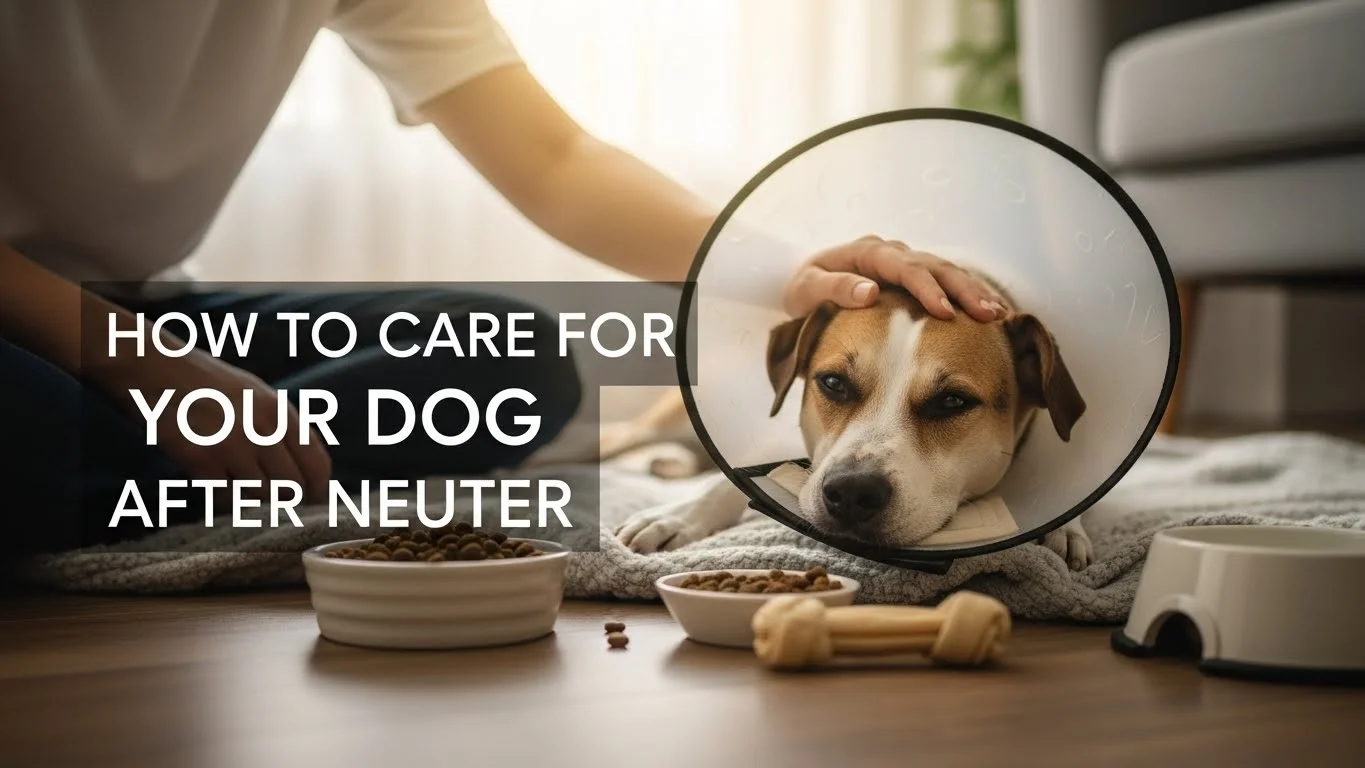
What is Neutering in Dogs?
The surgical removal of a male dog’s testicles is known as neutering. Under anesthesia, a licensed veterinarian typically performs this procedure.
For puppies, neutering is a not unusual place and secure surgical procedure, however post-operative care is vital. Understanding how to attend to your canine after neutering hurries their repair and facilitates keep away from headaches or infections. Due to anesthesia, puppies might also additionally revel in fatigue, discomfort, or confusion following surgery. If the dog is given the right care at home, that is traditional and normally receives higher in some days.
Recovery is maximum vital all through the primary 24 hours following neutering. Your dog wishes to be absolutely rested in a warm, quiet region all through this time. Don`t permit your dog play, run, or jump. You ought to hold a near eye out for signs and symptoms together with vomiting, extreme sleepiness, or problem on foot your dog.
Benefits of Neutering:
lessens hostile conduct
keeps unwanted puppies at bay
reduces the chance of developing some types of cancer
aids in managing roaming behaviors
enhances behavior in general
Even though neutering is a common procedure, your dog still requires post-operative care.
What to expect after neutering surgery?
Your dog may not behave normally for a few days following neutering. This is entirely typical.
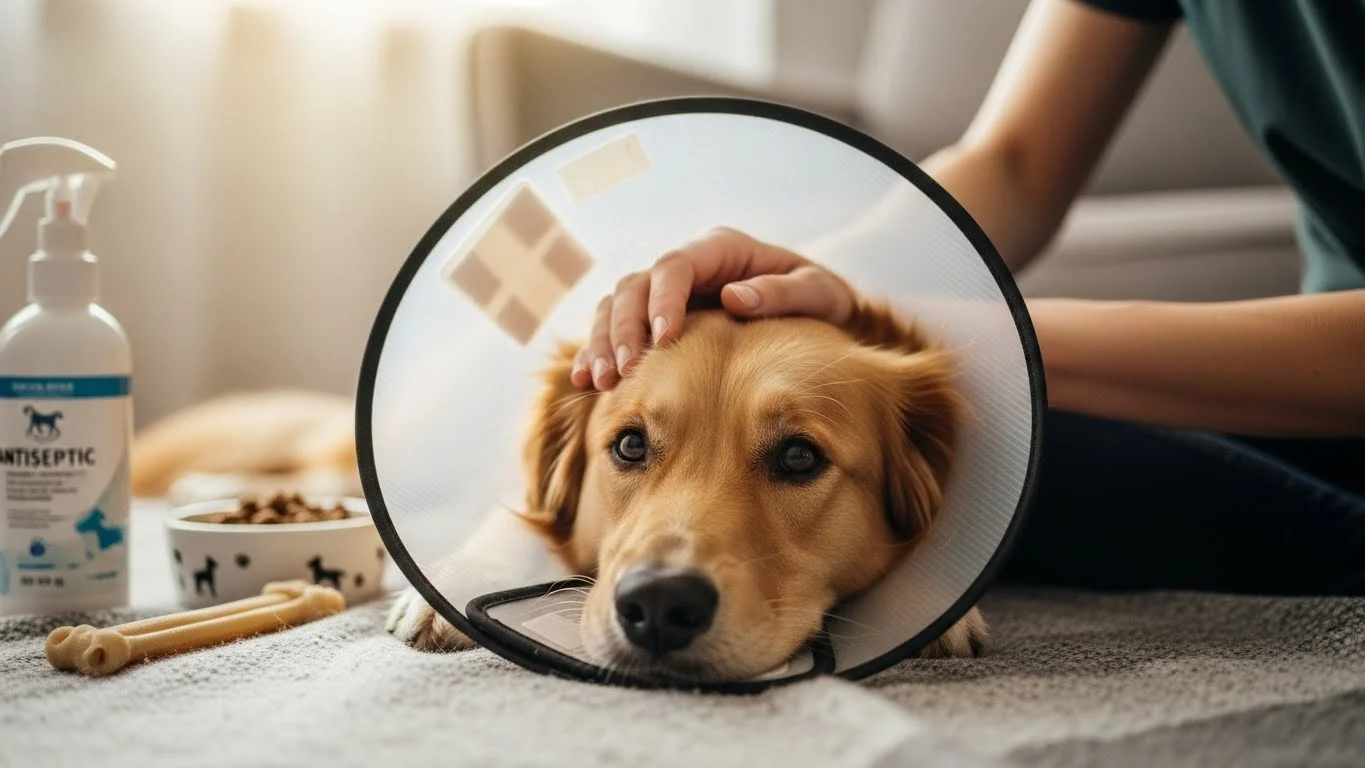
Common Symbols After Surgery:
Lack of energy or drowsiness
Moderate discomfort or pain
swelling close to the surgical site
First 24 hours after Neuter: Very Important Time
The first day following surgery is crucial for recuperation.
Maintain Your Dog’s Calm and Rest
Your dog needs to sleep all day. Steer clear of excitement, running, and jumping.
Advice:
Keep your dog inside.
Provide a cozy, peaceful space
Steer clear of guests and loud noises.
Track the Effects of Anesthesia
Confusion or lightheadedness may result from anesthesia.
Be mindful of:
Walking difficulties
Throwing up
Extreme drowsiness
Get in touch with your veterinarian if symptoms persist for longer than a day.
24-hour decrease in appetite
Slow motion
If appropriate care is provided, these symptoms typically get better in a few days.
How to manage pain after Neutering?
Another important aspect of dog neuter aftercare is pain management. To keep your dog comfortable, your veterinarian might recommend painkillers. Human medications can be dangerous, so never give them to your dog. Whining, immobility, or licking the surgical site are symptoms of pain. Effective pain management promotes relaxation and speeds up the healing process.
After neutering, dogs do experience pain, but it is easily manageable.
Use Painkillers Prescribed by Your Veterinarian
Never administer ibuprofen or paracetamol to humans. For dogs, these can be fatal.
Use only:
Pain medication prescribed by a veterinarian
Antibiotics (if recommended)
Indications of Your Dog’s Pain
Crying or complaining
Not making much movement
Licking the wound site
Acts of aggression
See your veterinarian right away if the pain appears to be severe.
How to care for the Neuter incision site?
Maintaining the place across the incision is vital to fending off infection. To keep away from infection, the web website online of the incision should be cared for. At all times, the surgical web website online desires to be stored dry and clean. Wait till the veterinarian offers the go-in advance to wash your canine, that’s commonly 10 to fourteen days. Every day, search for redness, swelling, discharge, or an unsightly scent close to the incision. You can save you your canine from chewing or licking the wound through the use of an Elizabethan collar, additionally known as a cone.
Maintain a dry and clean environment.
Avoid giving your dog a bath for ten to fourteen days.
Make sure the area is dry.
Steer clear of mud and dirt.
Examine the Incision Every Day
Search for:
Redness
Swelling
Pus or discharge
Unpleasant odor
A little swelling is common, but you should notify your veterinarian of anything out of the ordinary.
Prevent your dog from licking wound
Dogs frequently attempt to lick their surgical wounds, which increases the risk of infection.
Put on an E-Collar (Cone)
Licking and chewing are inhibited by an Elizabethan collar, or cone.
Advice:
Always keep the cone on.
Remove only when feeding under supervision.
Verify that it fits correctly.
Licking the wound can cause stitches to come loose and slow the healing process.
Feeding your dog after Neuter Surgery
On the primary day, your dog may not be very hungry. After neuter surgery, feeding and exercising ought to additionally be carefully controlled. On the primary day, your dog may consume less, so feed them small, mild meals. There need to usually be get entry to to shiny water. Only short chain walks in the course of rest room breaks need to represent bodily activity. Calm conduct is critical in the course of healing due to the fact extreme motion can reason bleeding or delay healing.
The first meal following surgery
Serve modest portions of food
Serve light, easily digested meals.
Make sure there is fresh water available.
Regular Feeding Schedule
Most dogs resume their regular eating habits after a day.
Important Note: Don’t overfeed neutered dogs because they may gain weight quickly.
Activity Restrictions after Neutering
Restricting bodily interest is essential for restoration. If given the proper care, maximum puppies get better absolutely in weeks after neutering. Once your canine recovers, you would possibly look at superb behavioral adjustments like much less aggression or roaming. You can assure a brief and wholesome restoration with the aid of using adhering on your veterinarian`s instructions, maintaining an eye fixed in your dog each day, and giving them consolation and rest. Maintaining your canine’s safety, consolation, and happiness calls for right post-neuter care.
Stay away of these activities
Running
Leaping
Having fun with other canines
Going up stairs
Suggested Level of Activity
Brief walks on a leash during restroom breaks
Calm indoor motion
Ten to fourteen days without rough play
Overdoing it can result in bleeding or open wounds.
How long does it take for a dog to heal after Neuter
Most dogs heal quickly, though healing times vary.
Timeline for General Recovery
1-3 days: Mild discomfort and low energy
Seven days: Reduced swelling
10–14 days: The wound heals completely
To assess healing, your veterinarian might arrange a follow-up appointment.
Signs of Infections and Complications
You should be aware of the warning signs even though complications are uncommon.
Speak with your veterinarian if you observe:
Significant bleeding
A fever
Unpleasant odor from the cut
Severe edema
appetite loss lasting longer than 48 hours
Persistent vomiting
Serious issues are avoided with early treatment.
Behavior changes after Neutering
After neutering a dog, many owners observe behavioral changes.
Positive Shifts in Behavior
Reduced hostility
Decreased roaming
Indoors, less marking
A more composed demeanor
Temporary Modifications in Behavior
Indolence
Fear
Modest shifts in mood
As your dog heals, these usually get better.
Sleeping arrangements after Neutering
Your dog needs a cozy place to sleep.
Top Sleeping Advice
Comfortable bedding
Warm but well-ventilated space
Keep away from other animals.
Simple access to water
Don’t let your dog sleep on high furniture that requires them to jump.
When can my dog take a bath after Neuter
Taking a bath too soon can lead to infection.
Guidelines for Bathing
At least ten to fourteen days should pass.
Before taking a bath, get your vet’s approval.
Avoid moistening the cut.
Use a moist cloth to gently clean your dog if they get dirty (avoid making an incision).
Puppy vs. Adult Dog Neuter Care
Puppies
Heal more quickly
Require additional warmth
possibly more active, keep a close eye on
Dogs in their adult years
Healing might take a little longer.
An increased chance of swelling
Strict activity control is required.
Both require the same level of care and attention.
Common mistakes to avoid after Neutering
Recovery can be accelerated by avoiding these errors.
Errors to Avoid
Too early removal of the cone
Permitting leaping or running
Giving medications to people
Ignoring redness or swelling
Taking a bath too soon
The secret to success is to do as your veterinarian instructs.
When can my dog resume normal activities
After recovery, the majority of dogs can resume their regular lives.
General Guidelines
After ten days, minimal activity
Complete activity following veterinary clearance
Always heed the advice of your veterinarian.
How to Make Your Dog Heal More Quickly
Maintain a serene atmosphere
Observe the prescription schedule.
Keep yourself clean.
Show affection and consolation.
Observe every day
Your consideration and care have a significant impact.
Some other important points:
Keep Your Dog Inside
Keep your dog indoors after neutering to prevent infection and dirt.
Indoor rest lowers the risk of injury and speeds up healing.
Keep Yourself Away From Other Pets
Your dog might get excited by other animals or lick the wound.
Keep them apart until the wound heals completely.
When taking bathroom breaks, use a leash.
When you take your dog outside, always use a leash.
Running, jumping, and abrupt movements are thus prevented.
Keep Yourself Hygienic
Both before and after handling the cut, wash your hands.
An environment that is clean lowers the risk of infection.