
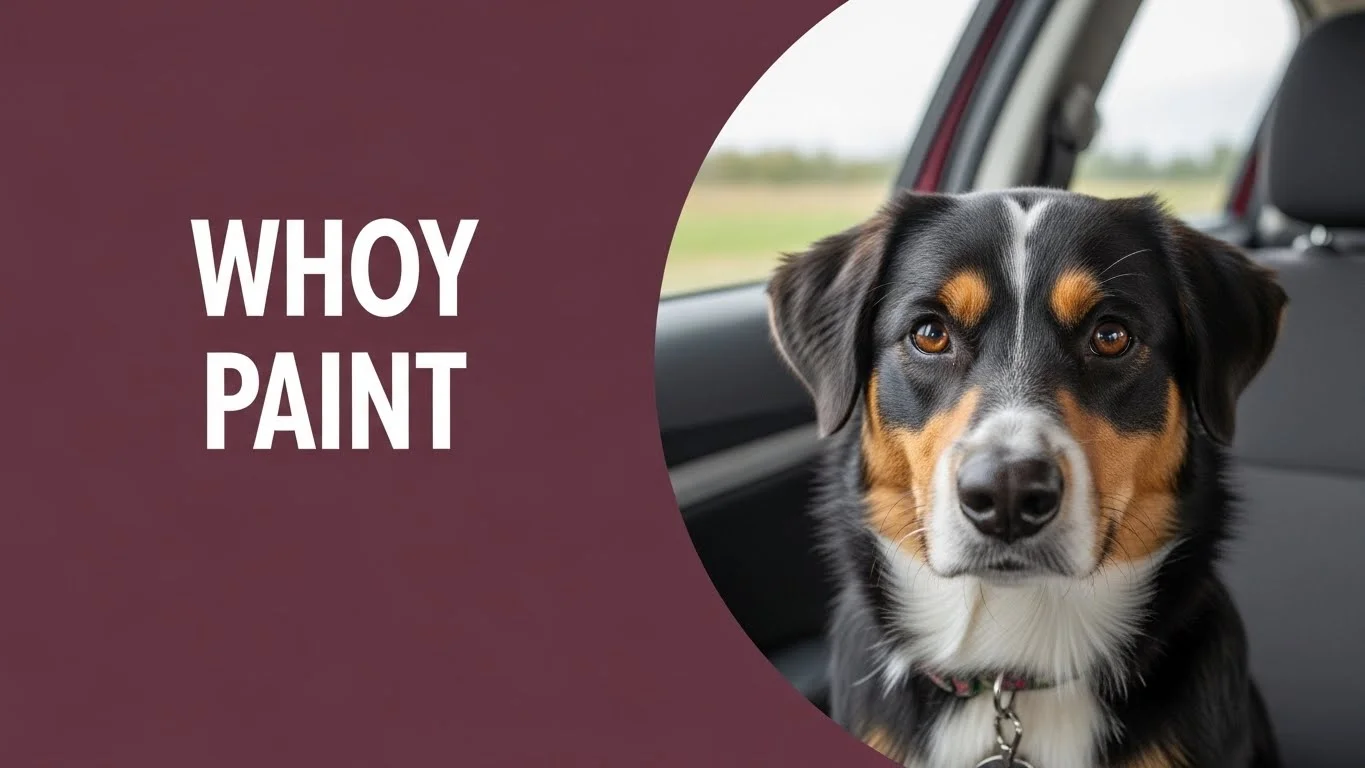
Dogs pant when they’re hot
Dog don’t sweat like humans; it’s a fact of life that most people are aware of. While people have sweat glands all over their skin to help cool off, the main way that dogs cool down is by panting. So if your dog has another panic attack in the car and it is panting more than usual, there’s a decent chance, their behavior notwithstanding, that they’re just feeling too warm. Ensure that the car is not too hot, or run the AC for a few minutes to cool off.
Dogs also pant when they are sick or in pain
Dog Treating , A part one by Jan Butzen Panting, which is the first reason, and generally that we can see or notice this is a common occurrence in the dog’s early signs of feeling bad. If you’ve dismissed heat and dehydration as a possible cause of your dog’s panting, think about motion sickness. Does your dog get carsick every time they ride in a car? You can also discuss medication options for treating your dog’s motion sickness (if it’s severe) with your vet or try natural ways he might be comfortable when sitting in the car.
Acute or chronic pain can also cause panting. Examine your dog for any visible wounds or injuries, focusing on the paws to check for bleeding pads, torn toenails, or anything lodged between the pads. Your dog may have a sprain or strain if they exhibit any strange walking patterns or movements, such as shifting their weight off one leg. If you notice anything that could indicate an injury, either treat it yourself or have a veterinarian examine it.
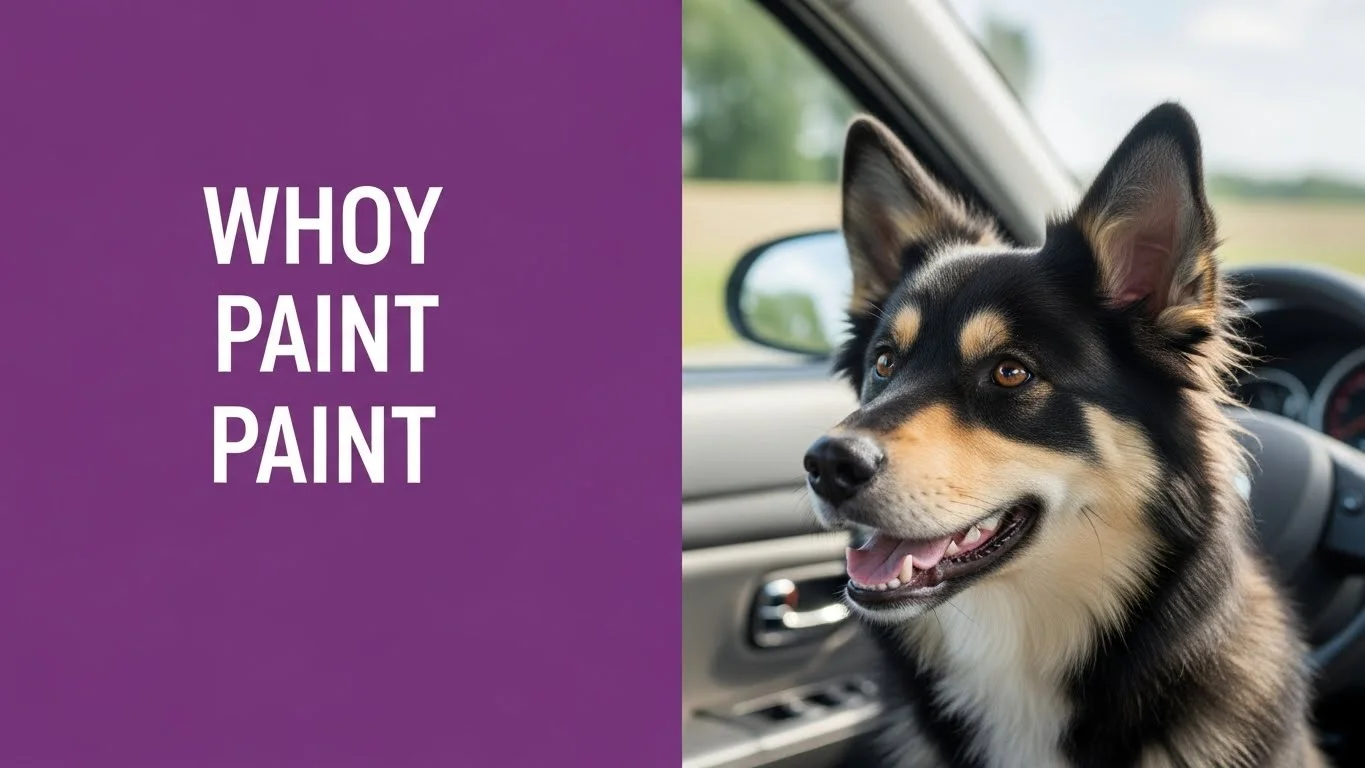
When dogs are under stress, they pant.
The term “behavioral panting” refers to your dog’s panting that is psychological rather than physical. Some dogs become agitated in the car, while others just feel more anxious in general. Look for additional symptoms like yawning, licking lips, drooling, and not settling (standing up the entire time) to determine whether your dog’s panting is caused by stress or anxiety.
If your dog hates or is terrified of the car, they may suffer from severe anxiety. Work with your dog to help them feel more comfortable in the car if you are planning a long road trip. Check out this blog post titled “Travel Tips for Dogs Who Really Hate the Car.”
Maintaining your dog’s comfort and security while driving
To reduce your dog’s panting in the car, you want them to feel safe and comfortable. This means giving your dog fresh water on a regular basis, keeping the car cool, and taking care of any stress or discomfort they might be feeling from motion sickness or pain. They will also feel more at ease and secure if they have their own safe space in the car, such as an elevated Lookout Dog Car Seat for smaller dogs or a snug and secure Hammock Car Seat Cover or SUV Cargo Dog Bed for larger dogs.
Taking care of your dog’s comfort, health, and safety will make your time in the car more enjoyable!
One of the main causes of dogs panting in cars is a lack of control. Dogs want to feel safe and comfortable. Because they have no control over the situation, dogs may feel uneasy when a car is moving, stopping, and turning. This feeling of uncertainty can lead to stress, which often causes panting. Dogs who have not been trained for car rides or who are not used to traveling may notice this more.
Some dogs also pant in cars because they associate car rides with negative experiences. If your dog usually only visits the veterinarian, grooming parlor, or boarding facility, they may become anxious as soon as they get in the car. Their body remembers past stress, and their breathing becomes into fear.
Due to variations in air pressure and smells, dogs may also feel uncomfortable when riding in cars. Strong fuel odors, dust from the road, or odd smells from outside can overpower a dog’s sensitive nose. This sensory overload may result in mild stress, which can cause faster breathing and panting even if the dog is not hot or sick.
Many dogs also pant in cars because they can sense the emotions of their owners. Dogs are incredibly sensitive animals that often pick up on human tension, excitement, or anxiety. When the owner is anxious while driving, the dog may start to pant. Remaining calm and relaxed during car rides can help your dog feel more secure.
Another factor is overstimulation. Loud traffic noises, people, animals, and moving cars can all excite or confuse dogs. When too many things happen at once, dogs may pant to release tension or extra energy. This is often the case with young, energetic, or very watchful dogs.
Lastly, some dogs express themselves by panting. Panting is a common way for dogs to communicate their discomfort or need for comfort. By observing your dog’s body language, tone, and behavior, you can gain a better understanding of their emotions and respond in a calm and supportive way.
How to Determine Whether Your Dog’s Panting Is an Issue
When panting is severe, abrupt, or accompanied by other symptoms, it becomes a cause for concern.
Warning Indications to Look Out for
Breathing very quickly
Blue or pale gums
Weakness or disintegration
Diarrhea or vomiting
refusal to lie down
Stop the car, cool your dog, and get in touch with a veterinarian right away if you see these symptoms.
Dogs Pant Because of Heat
Heat is one of the main causes of dogs panting in cars.
Even in mild weather, cars can get warm very quickly. Dogs, especially those with thick fur, sense heat more quickly than people.
Why panting is caused by heat:
Unlike humans, dogs cannot perspire.
They can cool down by panting.
Body temperature rises due to the car’s warm air.
A dog may find a car to be extremely hot even with the windows slightly open.
Excitement and Happiness
A lot of dogs enjoy taking car rides. They are aware that a car ride frequently entails:
A stroll
A trip to the park
A visit to people or other dogs
Dogs may begin panting as soon as they get in the car due to this excitement.
Panting signs of excitement:
Tail wagging
Vigilant eyes
Positive body alignment
Leaping or shifting
Generally speaking, this kind of panting is not harmful.
Anxiety or Fear of Car Rides
Not every dog likes to go for car rides. In the car, some dogs experience anxiety or fear.
Typical causes of car anxiety include:
Negative experiences in the past
Motion sickness
loud noises from traffic
The car’s abrupt movements
Dogs’ bodies respond to anxiety by panting more.
Anxiety symptoms in dogs:
Panting heavily
Drooling
Shaking
Barking or complaining
Anxiety
This type of panting requires care and attention.
Motion Sickness
Dogs can experience motion sickness, just like people.
Motion sickness is more prevalent in:
Puppies
Young canines
Dogs not accustomed to riding in cars
Dogs suffering from motion sickness may experience:
Feeling queasy
Lightheaded
Uncomfortable
One way dogs respond to this discomfort is by panting.
Overstimulation and Stress
For dogs, cars offer a variety of novel and potent stimuli:
Fresh scents
Huge horns
Things that move quickly
Vibrations
These abrupt changes can cause stress in some dogs, and panting is a normal reaction to stress.
Body Type and Breed
Certain dog breeds are more prone to panting than others, particularly:
Bulldogs
Pets
Boxers
These are known as short-nosed dogs, or brachycephalic breeds.
Due to their short noses:
Their airways are smaller.
They quickly become hot and exhausted.
To breathe comfortably, they pant more.
For these breeds, car rides can be particularly challenging.
The dog’s age
In the car, older dogs may pant more because of:
Pain in the joints
Heart issues
Breathing problems
Puppies may pant because of:
Fear
Novel encounters
Motion sickness
Dogs’ reactions during car rides are significantly influenced by their age.
Make the Car Comfortable to Help Your Dog Remain Calm
Maintain a cool temperature
Use a dog bed or seat cover.
Make sure there is adequate ventilation
Reducing panting is greatly aided by comfort.
Begin with Quick Car Rides
If your dog is anxious, begin with brief, peaceful excursions and gradually extend them.
To foster positive associations, give your dog praise and treats after every ride.
Refrain from Eating Just Before Traveling
Motion sickness may become more likely if you feed your dog right before a car ride.
Try to eat at least two or three hours before you leave.
Make Use of Calming Aids
Here are a few beneficial ways to relax:
Dog sprays that are calming
Wraps of anxiety
Calm music
Well-known blankets or toys
Always opt for safety and
Some dogs pant because they feel confined in the car. Dogs may feel confined in small spaces if they are used to having unrestricted movement at home. Using a spacious crate, dog seat, or harness will make your dog feel safer and more comfortable while traveling, which will reduce stress-related panting.